The Power of Lighting in Interior Design
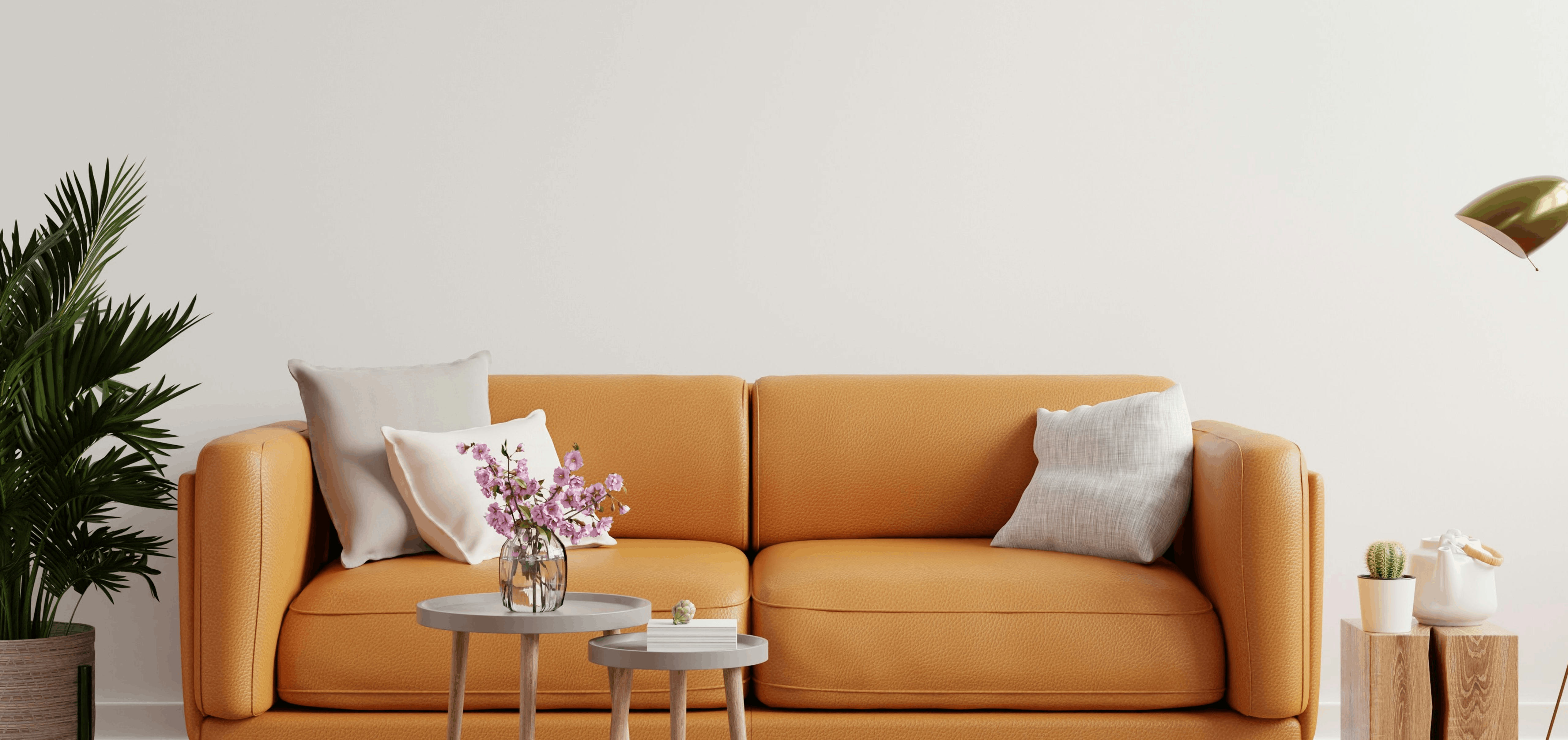
Interior design in 2026 focuses on warm minimalism, sculptural furniture, and integrated lighting.
Layered Lighting Approach
Interior designers often use layered lighting to create depth and balance in a space. Combining ambient, task, and accent lighting helps rooms feel comfortable, functional, and visually dynamic.
Enhancing Mood and Atmosphere
Lighting plays a key role in shaping how a room feels. Warm lighting creates a cozy atmosphere, while cooler tones can make interiors feel fresh, calm, and modern.
Highlighting Architectural Features
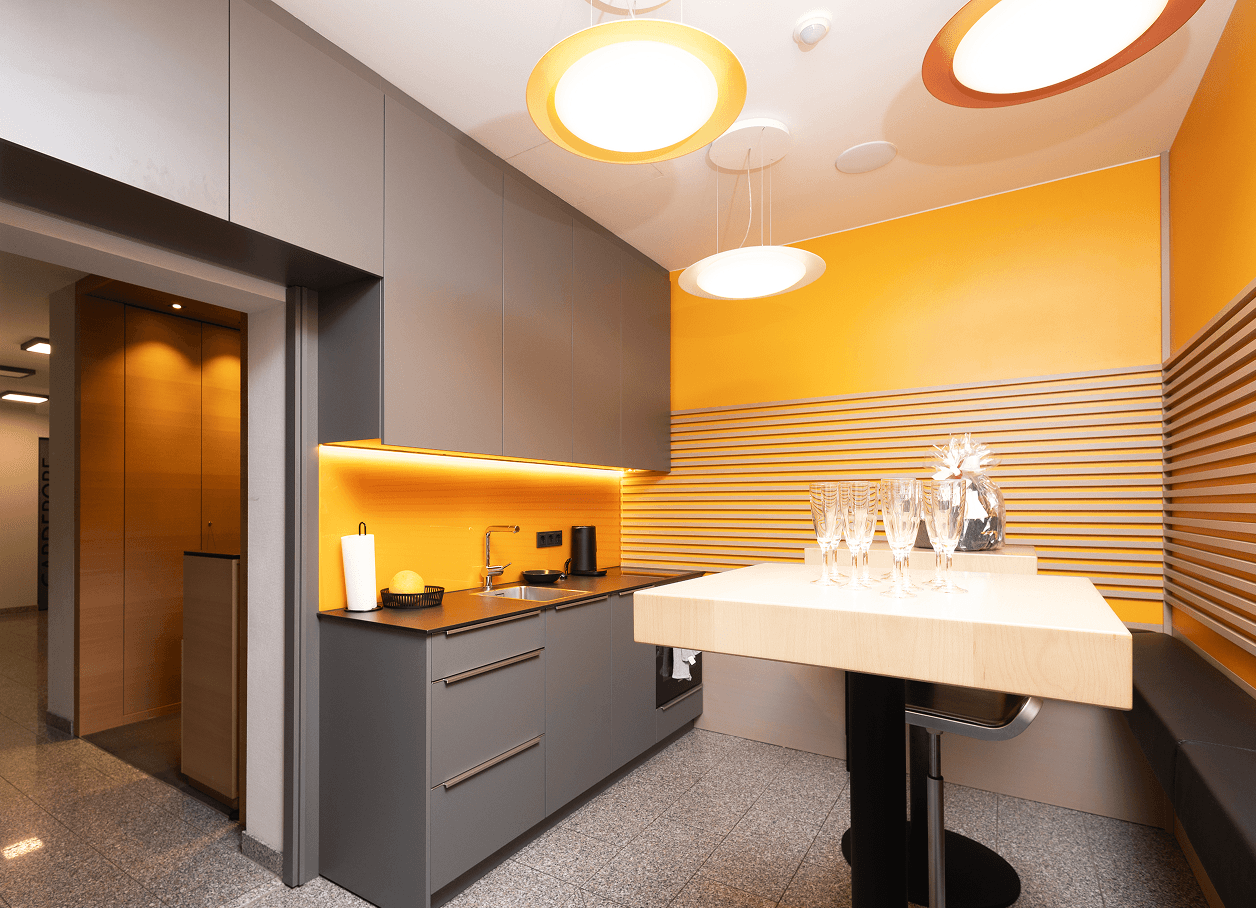
Well placed lighting can emphasize important design elements in a room. Wall washers, spotlights, and hidden LED strips highlight textures, artwork, and architectural details beautifully.
Improving Functionality
Good lighting is not only decorative but also practical. Task lighting near desks, kitchens, and reading areas ensures comfort and efficiency while maintaining a stylish interior environment.
Creating Visual Balance
Balanced lighting prevents rooms from feeling too dark or overly bright. When light sources are thoughtfully distributed, interiors appear more spacious, harmonious, and visually appealing.